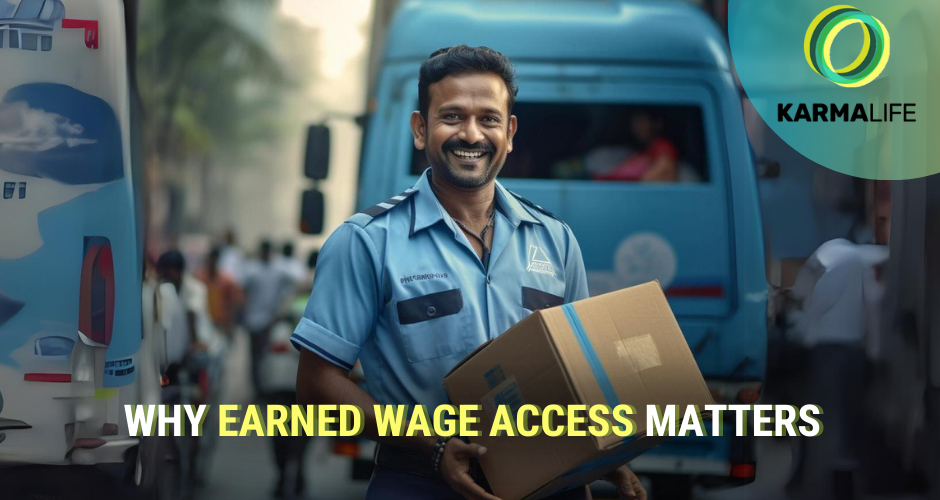
Why Earned Wage Access Matters

earned wage access
Ensuring your employees’ financial stability through Earned Wage Access (EWA) is paramount, especially amidst rising costs and shifting job tenures. EWA empowers employees by granting them control over their earnings, mitigating financial stress and bolstering their commitment and productivity at work, proving invaluable in fostering a stable and engaged workforce for your company’s success.

Everyone learned from the pandemic that your employees’ health is crucial to your company’s success. The increasing cost of goods is putting a strain on their finances, affecting their health and productivity at work. Workers today do not remain with the same companies for long periods, and inflation is a contributing factor. Here, we have defined Earned Wage Access and discussed its importance for your company. 

What Is Earned Wage Access (Ewa)?

The new method of compensating employees, known as Earned Wage Access (EWA), is revolutionising the industry. Employees can build up their earnings before payday with EWA rather than get their salary at a predetermined period, like the end of the week or the month. They have unparalleled control over their money because they can take out a portion of their pay check anytime. Because of this, EWA is very important. 

What is the Importance of EWA for Your Company?

  • Offers A Choice Among Recruiters

Given the cutthroat nature of the recruitment industry, EWA provides your company with a competitive advantage. People looking for work will notice you if you offer perks like this. Consequently, contemplate the significance of EWA and reap the rewards in the long run—one of the perks of working for a company like this. And word-of-mouth advertising about this perk can do wonders for your company’s reputation among potential employees, leading to an influx of applications. 

  • Boosts Output While Decreasing Waste

Employees will feel less financial strain if you guarantee they won’t have to hold onto their final bill until their next pay period. It is crucial to keep EWA in mind when making decisions involving the staff since it is the single most effective way to boost their productivity. You provide them with a sense of security when they know they can pay their bills on time, handle unexpected costs, and feel generally safe, which could affect their performance at work. 

  • Raises Ratio For Retaining Employees

Employee retention rates are higher when workers feel their opinions matter to the company. Staff members will look elsewhere for employment if they feel their benefits need to be improved or your organisation needs to value their financial security. Workers need to know what they’re responsible for and do their best to meet those demands. It would be best to hone your abilities to advance in your chosen field.

On the whole,

You can reassure them about their financial situation by providing EWA benefits. As a result, workers will be less likely to consider leaving their jobs and more engaged while they’re on the clock. Employees who feel appreciated on the job may be more loyal to their employers, leading to greater retention rates. Not having to recruit, hire, and train new employees means more savings. If you want to take your business to the next level, you need to understand the significance of EWA from Karma Life.


0 Shares:
Leave a Reply

Your email address will not be published. Required fields are marked *

You May Also Like
Read More

Through Its Pioneering EWA Platform, KarmaLife.ai Financially Empowers 2.7 Lakh Gig Workers, solidifying its Leadership in EWA Space

KarmaLife has made remarkable strides this year, positioning itself as a frontrunner in the Earned Wage Access (EWA) landscape. As testament to its growth and influence, KarmaLife successfully closed FY23 by solidifying its leadership position and reaffirming its commitment to empowering individuals with financial flexibility and control.
5 income schemes better than FD
Read More

5 Government Schemes Better Than Fixed Deposits

In India’s fast-growing digital economy, more people are joining the gig workforce than ever before. From delivery partners and cab drivers to freelancers and part-time tutors, gig workers play a crucial role in the country’s economy. Yet, many of them remain outside the formal financial system and lack the tools or knowledge to secure their financial future.
Read More

Financial Wellness Programs for Workers: A Path to Security

As financial wellness becomes a cornerstone of employee benefits, programs featuring short-term credit and Earned Wage Access are gaining traction, offering a lifeline in times of need. These innovative solutions foster financial stability, allowing workers to manage unforeseen expenses without falling into debt. Through these initiatives, employers are investing in the holistic well-being of their workforce, enhancing both satisfaction and engagement. The future of work hinges on such comprehensive support systems, ensuring a financially secure and empowered workforce.
Read More

Maximizing ROI on Employee Financial Wellness Programs: 6 Benefits to your company

Financial stress among employees can significantly impact productivity and overall company performance. By investing in comprehensive financial wellness programs, CEOs can foster a healthier, more productive workforce. Explore how integrating KarmaLife’s Earned Wage Access (EWA) solution can reduce financial stress, boost employee satisfaction, and enhance your company's competitive edge.
Financial security for workers
Read More

How to Build a Financial Safety Net for your Workforce: Financial Security Tips for Employers

In today's dynamic gig economy, fostering a sense of financial security for your workforce is more than just a gesture of goodwill; it's a strategic imperative that can significantly impact employee engagement, productivity, and overall well-being. With a proactive approach to financial literacy, education, and inclusive workplace initiatives, employers can construct a robust financial safety net that not only benefits their workforce but also fosters a culture of trust and loyalty within their organization.